
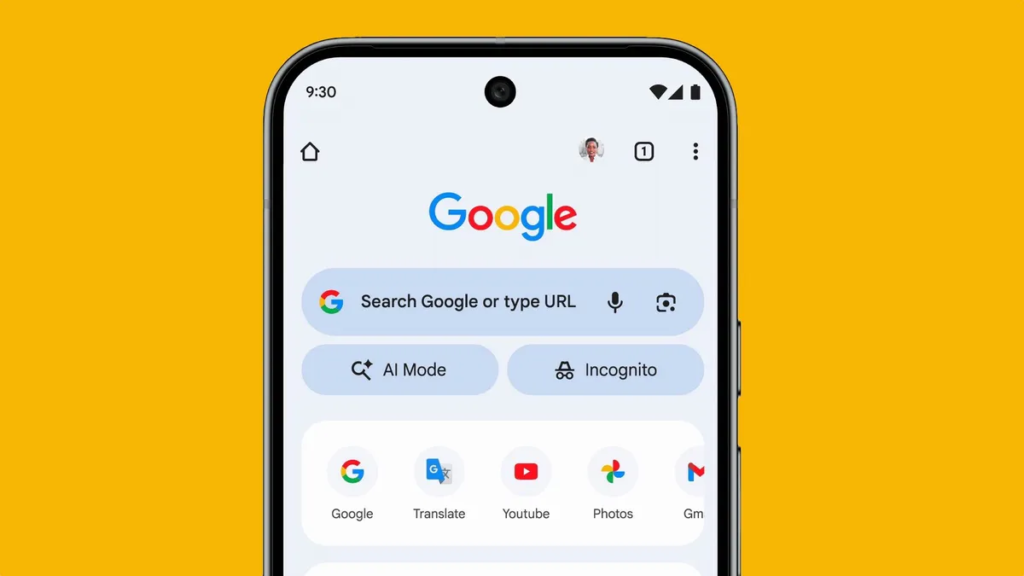
Google AI Search is suppored to find answer fast and accurate, while searching on google, their AI mostly answers your questions and you’d think they’d be fairly reliable.
But research suggests, they may be getting things wrong. According to a report noted by Ars Technica, Google’s AI Overviews — the summaries that now appear at the top of some search results — were incorrect about 10% of the time during testing.
At first glance, that may not seem alarming. No system is flawless, but after looking deeper into the findings, it becomes clear the real issue isn’t only how often these answers are wrong — it’s how difficult it is to recognize when they are.
When people think about AI making mistakes, they usually picture strange answers like obvious hallucinations. Even ChatGPT has been shown to be wrong 1 in 4 times.
But that’s not what is happening here. Most of the errors found in Google’s AI Overviews weren’t extreme — they were subtle. In some cases, the summaries:
1- left out key context
2- oversimplified complex topics
3- or presented partly correct information as completely accurate
That makes them much more risky than obvious mistakes, since billions of users depend on Google every day. Because if something sounds believable, most people won’t question it.
Google processes billions of searches each day, and even a small mistake rate at that scale can result in millions of wrong or misleading answers daily.
Unlike traditional search results, AI Overviews often appear above all the links, meaning users may not click through to check. In other words, the AI answer becomes the “final” response, and context from the original sources can get lost.
Ultimately, the margin for error matters even more here.
If you use AI even casually, you may have noticed how confident it sounds. It can give an answer in such a strong way that you wouldn’t think to double-check. This adds another layer to the issue that isn’t discussed enough. AI doesn’t just summarize information — it presents it with confidence.
Even when a response is incomplete or slightly inaccurate, it can still come across as polished, clear, and authoritative.
Read Here: Apple Is Making Big Updates to Siri
That creates a subtle psychological effect. In other words, the smoother the answer feels, the more we tend to trust it. And that’s exactly where things can go wrong.
Bottom line
So should you trust Google’s AI answers? I’d say no, at least not blindly. A 10% error rate might seem small — until you realize those mistakes are often subtle, confident, and easy to overlook.
That said, you don’t have to avoid them completely. They can still be helpful for quick summaries, getting a basic understanding of a topic, or speeding up simple research. But they shouldn’t be treated as the final answer — especially when accuracy really matters.